
Home

About Emily

Properties

Home Valuation
Testimonials

Neighborhoods

Resources
Let's Connect

Thinking about selling your Cobb County home can feel simple at first, right up until you start making the to-do list. Between repairs, staging, photos, paperwork, and timing the launch, it is easy to wonder what should happen first. The good news is that you do not need to do everything at once. With a clear plan, you can prep your home in the right order, avoid last-minute stress, and get it ready to make a strong first impression. Let’s dive in.
Cobb County sellers are working in a more balanced market than the frenzy of past years. In 2025, the county’s median home sale price was $395,000, and metro Atlanta’s April 2026 market brief showed 19,224 active listings, a 4.4-month supply, and an average of 19 days on market.
That means well-prepared homes can still move quickly, but presentation matters. When buyers have more choices, they tend to notice condition, cleanliness, and how a home looks online before they ever schedule a showing.
Most sellers start thinking about selling three to four months before they list, but the active prep stage often fits into a tighter window. If you are already committed to moving, an 8-week timeline is a practical way to stay focused and keep momentum.
Start with a full walk-through of your home, one room at a time. Make notes about what needs attention, what you want to keep, and what should be packed, donated, or thrown away.
This is also the time to set a realistic prep budget. If your home has had major work done, gather repair records, warranties, prior permit records, and any certificate of occupancy or letter of completion paperwork you may need. Cobb County notes that homeowners can request copies of a CO or LOC through its residential permitting process.
If you uncover larger repair items, this is your signal to expand the timeline. Major improvements or permitted work can take longer, so it is better to know that now than one week before photos.
Decluttering is one of the most important steps, and it should happen before repairs, staging, and photography. Start with closets, counters, open shelves, the garage, attic, and any storage spaces that have become catch-all zones.
Your goal is not to strip the home of personality. It is to create a sense of space so buyers can focus on the home itself, not the stuff in it.
This step also sets the stage for stronger marketing. According to the 2025 staging report from the National Association of Realtors, staging helps buyers visualize a property as a future home, and photos remain highly important to buyer agents.
Once the clutter is under control, fix the obvious issues. Think loose cabinet hardware, squeaky doors, chipped paint, worn caulk, stained grout, dripping faucets, and burned-out light bulbs.
These details may feel small when you live in the home every day. To a buyer, though, they can signal deferred maintenance and raise questions about what else has been overlooked.
If you are planning any work involving electrical, mechanical, plumbing, gas, or building construction, Cobb County requires permits before work begins. Residential remodeling permits can also expire if work stalls, so this is a good week to make sure anything open is moving toward completion.
If your home was built before 1978, plan repairs carefully. Lead-safe work practices and the required disclosures should be part of your prep strategy.
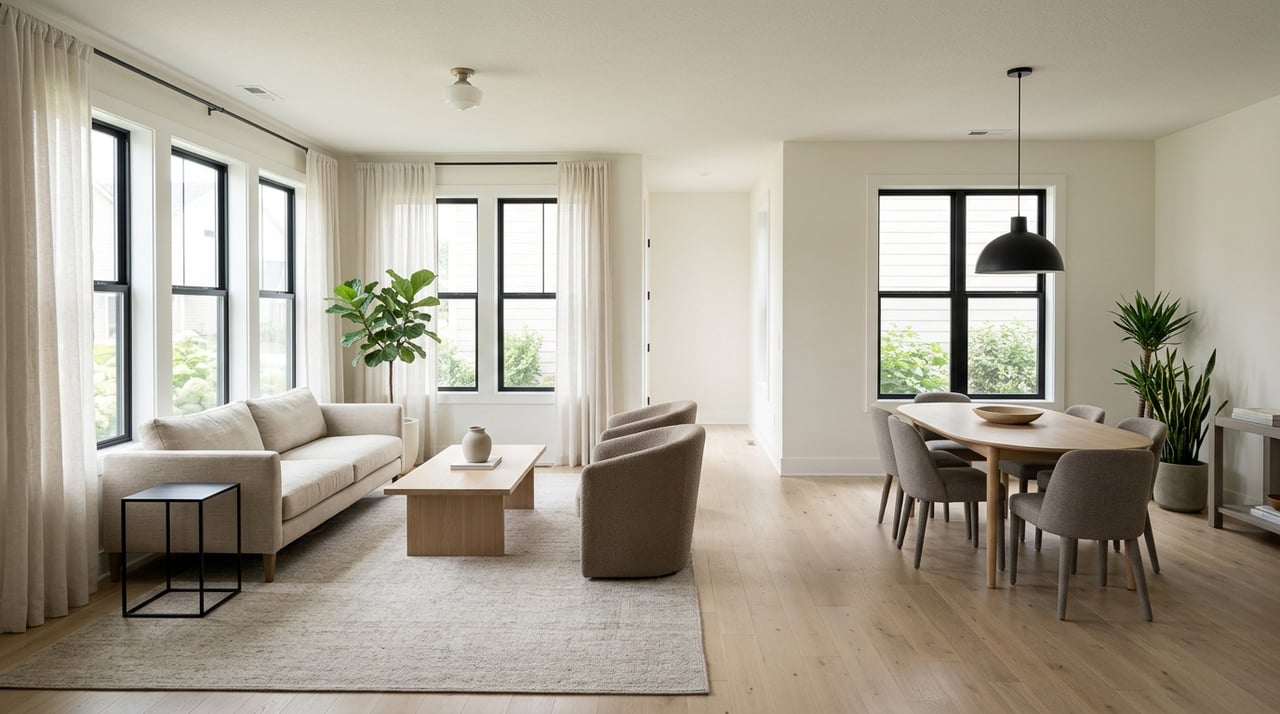
Now that the home is cleaner and repaired, you can make smart staging decisions. This does not always mean bringing in all new furniture. Often, it means editing what you already have, improving layout, and adding a few pieces or accessories where needed.
The rooms that usually deserve the most attention are the living room, primary bedroom, and kitchen. The same 2025 NAR staging report found that these are the most important rooms to stage, and 83% of buyers’ agents said staging makes it easier for buyers to picture the home as their future home.
For sellers who use a staging service, NAR reported a median spend of $1,500. That does not mean every home needs that exact investment, but it gives you a useful benchmark as you build your prep budget.
By this point, your interior prep should be mostly in place. Now it is time to focus on exterior details and the deep clean that helps everything feel fresh.
Refresh mulch, trim shrubs, edge walkways, wash windows, and clear off porches and patios. Inside, think beyond basic tidying and aim for a true deep clean, including floors, baseboards, bathrooms, kitchen surfaces, and light fixtures.
This week also works well as a buffer for permit follow-up, touch-ups, or any scheduling details that still need attention before your media day. If something took longer than expected in weeks 6 or 5, this extra space can keep the whole timeline on track.
Once the house is nearly camera-ready, you can focus on pricing and launch planning. This is when you should confirm list price, discuss likely buyer interest, and create a showing strategy that fits your schedule.
Timing matters here too. Zillow’s seller guidance says Thursday is the strongest day to launch a listing, and it also emphasizes the value of strong online marketing and high-quality photography.
In a market with more inventory, price and presentation need to work together. A polished home with a clear pricing strategy often creates better early momentum than a home that is still being adjusted after it hits the market.
Photos should come after staging, not before. That sounds obvious, but many sellers rush this part and end up with images that do not show the home at its best.
Make sure every room is fully cleaned, styled, and photo-ready before media day. Put away pet items, hide cords, clear counters, and remove anything that distracts from the room itself.
This step matters because online presentation is often the first showing. NAR found that photos, traditional staging, videos, and virtual tours were all important to buyers’ agents, and Zillow also points to high-resolution photography as part of a stronger online launch.
The final week is about details. Confirm disclosures, lock in your live date, review showing instructions, and make a plan for staying ready once the home is active.
If your home was built before 1978, federal law requires sellers to provide buyers with an EPA-approved lead pamphlet and disclose any known lead-based paint hazards before the buyer becomes obligated under contract. It is best to have that handled before your listing goes live so nothing slows you down later.
This is also a good time to think ahead to closing costs. In Georgia, the state says transfer tax must be paid before the deed can be recorded, and the seller is liable unless the contract says otherwise.
When launch day arrives, the goal is simple: make the strongest first impression possible. If your calendar allows, a Thursday launch may help you capture attention going into the weekend.
The first few days matter. Metro Atlanta’s April 2026 market brief showed homes averaging 19 days on market even as inventory expanded, so early interest can shape the tone of your entire listing period.
This is why the prep sequence matters so much. Declutter first, repair second, stage third, then photograph and launch. When you follow that order, each step supports the next one.
If you are trying to choose the right season, spring still stands out. Zillow’s latest metro-level analysis points to the first two weeks of May as Atlanta’s strongest listing window.
That does not mean every seller should wait until May. It means seasonality can give you an edge when your timing already lines up with your moving plans.
In general, spring tends to bring the most buyer activity. Summer can stay busy, though vacation weeks may soften traffic. Fall often brings serious but more price-sensitive buyers, while winter is usually slower.
For many Cobb County households, the school calendar also affects planning. The 2026 to 2027 Cobb County School District year runs from August 3, 2026, to May 19, 2027, so spring and early summer can be especially practical windows for a move.
If you are doing pre-listing improvements, local permit rules matter. In Cobb County, permits are required before electrical, mechanical, plumbing, gas, or building work begins.
Residential remodeling permits generally expire after 180 days, and work may be considered abandoned if inspections stop for 60 days. If you have old permit work still open, it is smart to address that well before listing.
This is not just about compliance. It is also about reducing surprises during the sale process. Buyers tend to feel more confident when records, improvements, and paperwork are organized from the start.
Selling a home is not about making it perfect. It is about making thoughtful decisions in the right order so your home feels clean, cared for, and ready for the market.
That is exactly where a clear timeline helps. When you know what to do each week, the process feels more manageable and your home has a better chance to stand out once it goes live.
If you are planning to sell in Cobb County and want a clear, staged, well-supported plan from prep through launch, I would love to help. Connect with Emily Kelly for thoughtful guidance, professional presentation, and a listing strategy built around your goals.
Browse active listings in the area or contact us for off-market listings.
Have an expert help you find out what your home is really worth.
Get assistance in determining current property value, crafting a competitive offer, writing and negotiating a contract, and much more. Contact me today.