
Home
About Emily
Properties

Home Valuation
Testimonials
Neighborhoods
Resources
Let's Connect
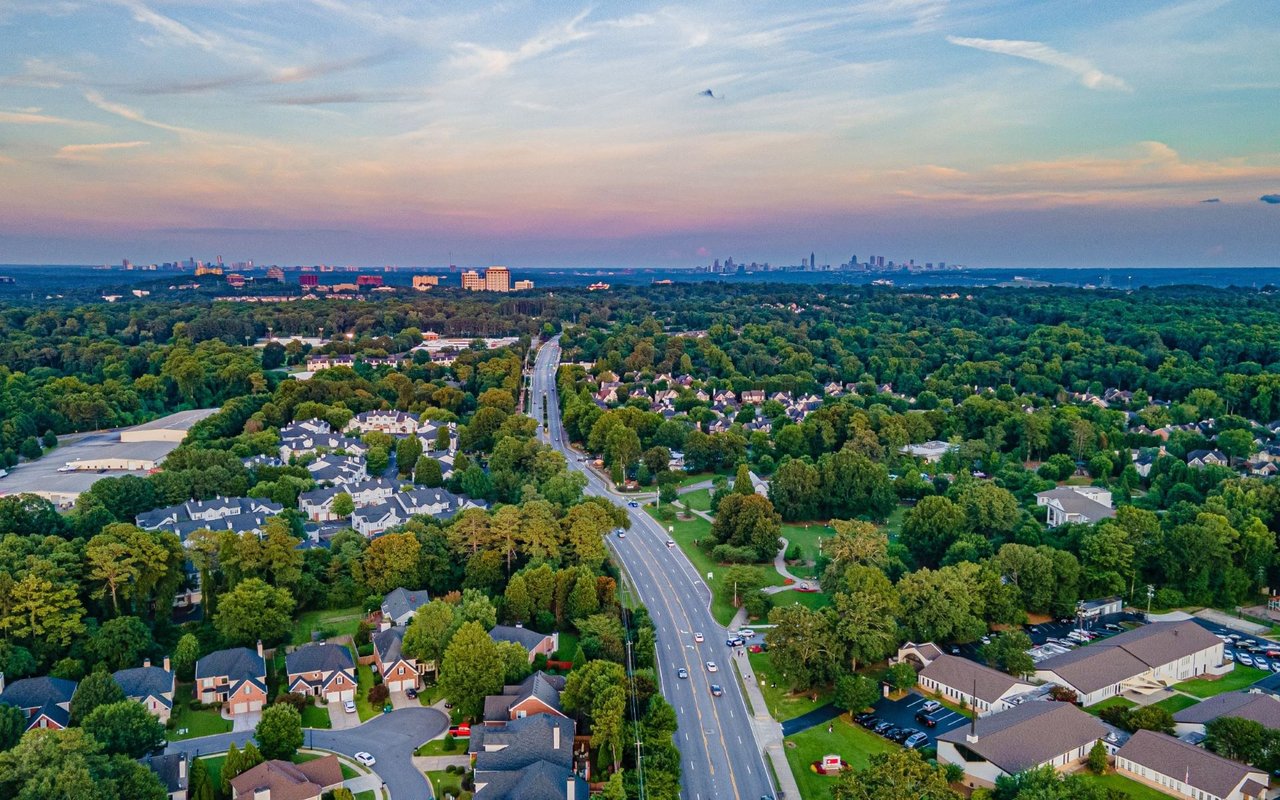
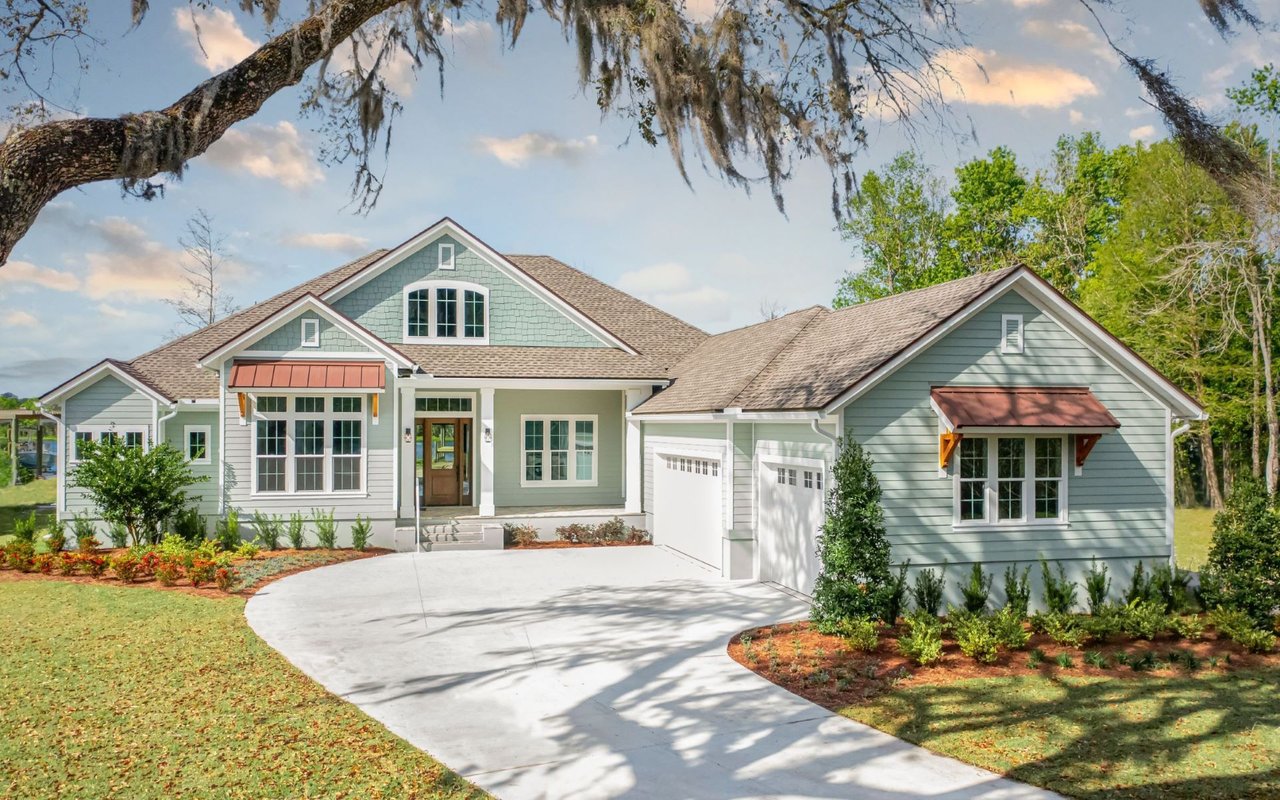
If you are drawn to places that feel rooted, walkable, and full of character, Historic Roswell deserves a closer look. This part of Roswell offers more than old homes. It blends preserved architecture, a lively downtown core, and easy access to trails and green space in a way that feels distinct in metro Atlanta. If you are wondering where to start your search or what makes this area so appealing, this guide will help you understand the homes, streets, and lifestyle that shape Historic Roswell. Let’s dive in.
Historic Roswell has deep ties to the city’s mill-town origins along Vickery Creek and the Chattahoochee. According to Visit Roswell’s historic sites overview, the Roswell Historic District was listed on the National Register of Historic Places in 1974, and the city’s Historic Preservation Commission reviews projects within the 640-acre district.
That history still shows up in the way the area feels today. The National Register nomination notes broad streets, mature landscaping, and rear alleys, which helps explain why the district can feel both residential and village-like at the same time.
Historic Roswell is not preserved by accident. The city continues to guide change through preservation tools and design standards that aim to protect the district’s character while shaping new development. For buyers, that often means the setting itself is part of the appeal, not just the individual home.
One of the biggest surprises for buyers is how much architectural variety exists here. Historic Roswell is not defined by one single look. The district nomination records at least 22 architectural styles, including hipped-box houses, bungalows, Queen Anne homes, and gable-with-box forms, along with smaller numbers of Greek Revival, Colonial Revival, Mediterranean Revival, Prairie, and other revival styles.
That variety matters when you are searching. You may find a home with formal historic detailing on one street and a smaller cottage-style property nearby. If you love charm but do not want one narrow architectural type, Historic Roswell gives you more range than many buyers expect.
Roswell’s best-known historic homes help illustrate the area’s architectural depth. Barrington Hall is described by Visit Roswell as one of the finest examples of Greek Revival architecture, while Bulloch Hall is a Greek Temple Revival home built in 1839.
The city also highlights Mimosa Hall, built between 1838 and 1840 and later modernized by architect Neel Reid. Nearby, Smith Plantation adds another layer with an 1845 home and original outbuildings.
These properties are important historic sites, but they also give you a sense of the design language that shaped the area. Even if you are not buying one of Roswell’s most prominent historic homes, the surrounding neighborhoods reflect that same layered character.
Historic Roswell is not only about large legacy properties. Visit Roswell notes that Naylor Hall began as a four-room clapboard cottage, and preserved worker housing such as The Bricks still contributes to the district’s identity.
That is good news if you are looking for character in a smaller footprint. In practical terms, the area can appeal to buyers who want historic atmosphere without focusing only on grand homes or estate-scale lots.
When buyers talk about Historic Roswell, they are often describing a few practical search zones rather than strict official neighborhood lines. Understanding those areas can help you narrow your search based on how you want to live day to day.
This is the most recognizable and walkable part of Historic Roswell. Visit Roswell describes Canton Street as a historic uptown district and a Georgia Great Street with restaurants, art galleries, and unique shops.
If you want easy access to dining, events, and a strong sense of place, this area tends to be the center of attention. The city also notes public parking options around Historic Town Square, including on-street spaces on Mimosa Boulevard and Park Square Court, along with larger lots near City Hall and Green Street.
This area sits near some of Roswell’s best-known historic sites and public spaces. The city describes Founders Park as a continuous green space linking Mimosa Hall, Bulloch Hall, Holly Hill, Historic Town Square Park, and Barrington Hall into a walkable public destination.
For buyers, this zone often offers a close connection to the historic heart of Roswell. It can be a strong fit if you want scenery, public green space, and a setting that feels closely tied to the city’s heritage.
This corridor connects the historic district to Roswell’s river and mill area. The city says the Historic Gateway project is intended to add safer pedestrian and bicycle infrastructure, including multi-use paths, sidewalks, crosswalks, and trail connections into the National Park and Vickery Creek area.
If outdoor access matters to you, this section of Roswell is worth watching. It links the charm of the historic core with one of the area’s best-known natural and recreational settings.
Some buyers want the feel of Historic Roswell without being in the strict center of the district. City planning documents for the Historic Gateway Master Plan point to context-sensitive redevelopment and architectural typologies that support compatibility with the area’s historic surroundings.
In simple terms, homes near the district may offer more variety in age, lot size, and renovation level while still feeling connected to Historic Roswell’s overall character. If you want charm with a bit more flexibility, this can be a useful search strategy.
Historic Roswell’s appeal is not only visual. The lifestyle is a major part of why buyers stay interested once they start exploring the area.
Canton Street is one of the clearest examples. The Visit Roswell dine-around guide shows a dense cluster of restaurants and gathering spots, including Table & Main, Little Alley Steak, Salt Factory Pub, Roux On Canton, Crazy Love Coffee House, and Rock N Taco.
Several of these businesses are located in restored or historically styled buildings, which reinforces the old-town atmosphere. If you want a location where you can enjoy restaurants, coffee, and local shops in a compact setting, Historic Roswell stands out.
Outdoor access is another major draw. The city describes Roswell Mill and Vickery Creek Waterfall as a park with trails, free admission, and free parking, along with access to the covered pedestrian bridge, Old Mill ruins, the historic machine shop, and overlooks for the waterfall and dam.
That mix of scenery and history is part of what makes the area feel special. You are not just near downtown dining. You are also close to one of Roswell’s most recognizable outdoor destinations.
The city has also continued to invest in pedestrian-friendly improvements. The East-West Alley Master Plan focuses on repaving, parking, lighting, benches, planters, and pedestrian areas behind Canton Street.
For buyers, projects like these can matter because they shape how easy and pleasant it is to spend time in the district. Historic charm tends to feel stronger when the public spaces around it are functional and welcoming.
Historic Roswell can be a great fit if you want more than a house. It offers a layered environment with preserved landmarks, active public spaces, local dining, and trail access, all supported by city policies aimed at protecting character.
At the same time, preservation comes with practical considerations. The city’s public information makes clear that historic properties may face additional review, and demolition of a historic structure in the district triggers public notice. Depending on the project, review may involve the Design Review Board or Historic Preservation Commission, as shown on the city’s planning and zoning public notices page.
That does not mean you should avoid the area. It simply means you should verify renovation, expansion, or redevelopment questions early if those plans are important to you.
For many buyers, Historic Roswell falls into two broad experiences. You can focus on the walkable downtown and historic core if you want the strongest connection to Canton Street, Town Square, and the district’s most established sense of place.
Or you can look just beyond the core if you want historic character with more variation in home age, lot size, and renovation level. Both approaches can work. The right fit depends on whether your priority is maximum walkability, architectural charm, flexibility, or a blend of all three.
If Historic Roswell is on your radar, I can help you sort through the options, compare location tradeoffs, and build a search around the way you actually want to live. When you are ready to explore Roswell with a thoughtful local strategy, connect with Emily Kelly.
Browse active listings in the area or contact us for off-market listings.
Have an expert help you find out what your home is really worth.
Get assistance in determining current property value, crafting a competitive offer, writing and negotiating a contract, and much more. Contact me today.