
Home

About Emily

Properties

Home Valuation

Testimonials

Neighborhoods

Resources
Let's Connect

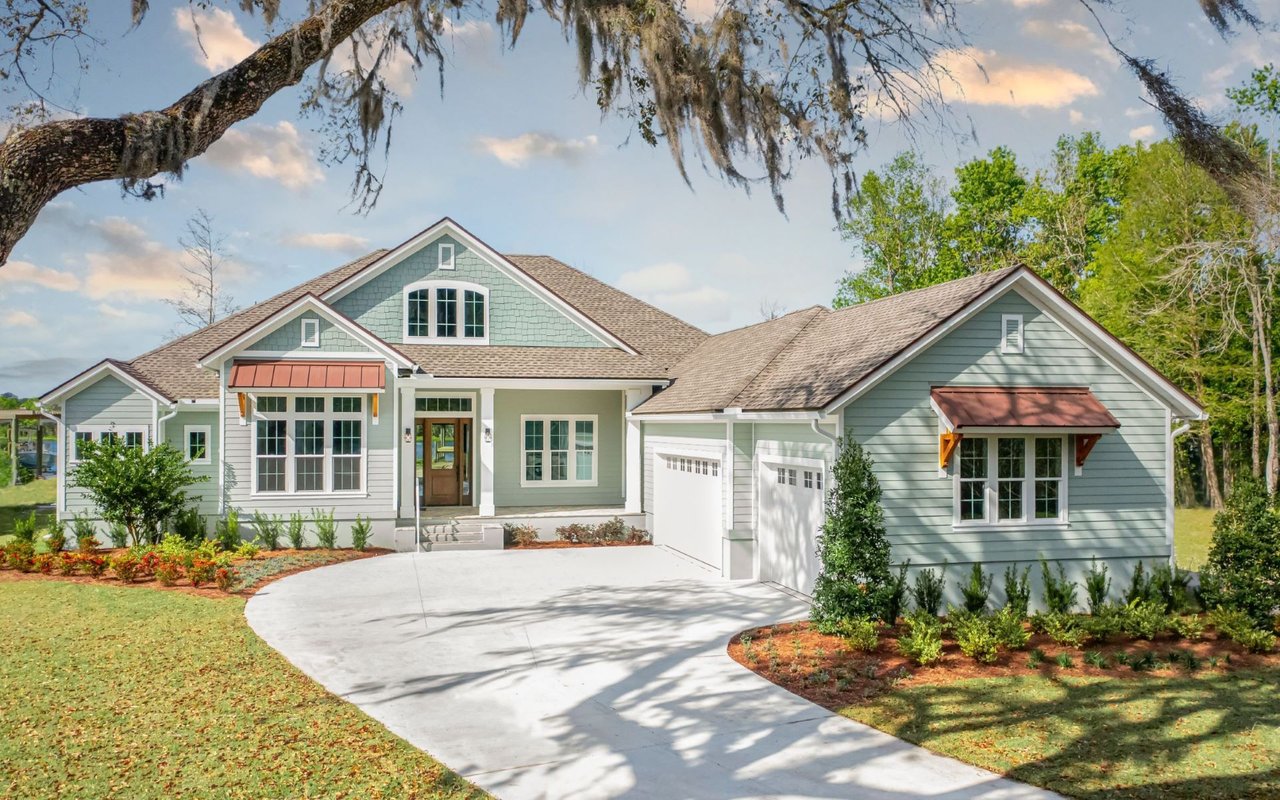
If you need your next home before your current one sells, you are not alone, and in Greater Atlanta, the timing can feel tricky. You may be trying to protect your equity, avoid two moves, and still stay competitive when the right house appears. The good news is that today’s market gives many buyers more options than they had a few years ago. With the right plan, you can understand your choices and move forward with more confidence. Let’s dive in.
Buying before you sell is really a timing and financing decision. In metro Atlanta, the market has been more balanced than the ultra-competitive years, but that does not mean you can leave the details to chance.
As of April 2026, metro Atlanta’s 11-county market had 19,224 active listings, a 4.4-month supply, a median sales price of $436,000, and an average of 19 days on market. In DeKalb County, May 2026 data showed about 4,280 active listings, a median 49 days on market, and homes selling at roughly asking price on average. That mix can create opportunity, but desirable homes can still move fast.
For you, that means some buy-before-you-sell strategies may be more negotiable than they would have been in a stronger seller’s market. At the same time, you still need a realistic plan for financing, closing dates, and what happens if one transaction moves faster than the other.
There is no one-size-fits-all answer. The best path depends on your equity, loan approval, comfort with risk, and how flexible your moving timeline can be.
A home-sale contingency gives you time to sell your current home before closing on the next one. This can reduce financial pressure because you are not committing to the new purchase unless your present home sells.
The downside is competitiveness. Sellers may view a home-sale contingency as a weaker offer, especially if they have backup offers without that condition.
A home-close contingency is slightly different. It gives you time not only to get your current home under contract, but to actually close that sale before you buy the next one.
This can offer more protection if your concern is the final transfer of funds. Still, it may make your offer less appealing than a cleaner, non-contingent offer.
Another option is a longer closing timeline on the home you want to buy. Instead of making the purchase contingent on your sale, you ask for more time so both transactions can line up.
This can make your offer cleaner than a sale contingency. But it still comes with risk, because if you cannot close on time, you could lose your deposit and face other seller remedies.
If you have enough equity, short-term financing may let you buy first without waiting for your current home to close. This route can help you stay competitive and avoid tying your offer to your existing home.
The tradeoff is that qualification depends on your equity, credit, income, and overall financial profile. You also need to be comfortable with the cost and risk of carrying extra debt, even for a short time.
A bridge loan is a short-term financing tool that lets you tap equity in your current home before it sells. Buyers often use it for the down payment and closing costs on the next home.
In practical terms, a bridge loan may help you write a stronger offer because you are not relying as heavily on a sale contingency. For some move-up buyers, that can be the difference between competing well and missing out.
That said, bridge loans are not automatic approvals. Lenders will still look closely at your financial picture, and the terms can vary.
Bridge loans are not the only way to access equity. Depending on your situation, your lender may also discuss a HELOC or a cash-out refinance.
A home equity line of credit, or HELOC, is a revolving line of credit secured by your home. You can often borrow from it as needed, which may offer flexibility if you need funds for a down payment or other costs.
But a HELOC comes with real risk. If you cannot repay it, you could lose your home, and lenders may also freeze access if your property value or financial condition changes.
A cash-out refinance replaces your current mortgage with a new one and gives you a lump sum from your equity. This can create cash for your next purchase, but it also means taking on a new loan with potential closing costs.
This option usually requires enough equity, an acceptable debt-to-income ratio, and appraisal support. It can be useful in some cases, but it is not always the simplest choice if your goal is speed and flexibility.
Sometimes the smartest answer is not buying first at all. Selling first can help you avoid the strain of multiple mortgage payments and reduce uncertainty about your budget.
The tradeoff is convenience. You may need temporary housing, storage, or even a second move before you settle into your next home.
For many homeowners, this becomes a quality-of-life decision as much as a financial one. If carrying two homes would feel stressful, selling first may offer the peace of mind you need.
If you want to buy before you sell, preparation matters more than ever. A strong plan can help you act quickly without taking on more risk than you intended.
Start with a lender before you start making offers. You need to know whether you can qualify for the next home while still owning your current one, or whether you will need your sale proceeds first.
Preapproval also helps you understand your real monthly payment range. That includes taxes, insurance, and the possibility of overlapping housing costs.
Do not stop at a simple approval letter. Ask your lender to run side-by-side numbers for a home-sale contingency, delayed closing, bridge loan, HELOC, or other financing path that may apply to you.
This can show you what carrying two homes might cost, how much equity you may be able to use, and where your comfort level really is. Clear numbers usually make better decisions.
If your sale is part of the plan, your current home needs to be market-ready from day one. Better presentation can support stronger interest and help protect your timeline.
This is where pricing, staging, photography, and launch strategy matter. If your home sits longer than expected, your purchase timeline can quickly become more complicated.
Buying and selling at the same time involves many moving parts. Your listing date, offer date, inspection period, appraisal, and closings all need to work together as closely as possible.
Even in a more balanced DeKalb-area market, you should not assume there will be plenty of extra time. A coordinated schedule gives you a better chance of avoiding rushed decisions.
Every smart move-up plan needs a Plan B. That could mean temporary housing, storage, or deciding in advance how far you are willing to stretch on timing or financing.
Backup planning does not mean expecting problems. It means staying prepared so a delay in one transaction does not throw everything off.
In today’s Greater Atlanta market, you may have more room to negotiate than buyers had during peak competition. A delayed closing or carefully written contingency may have a better chance of being accepted than in a market with extremely low inventory.
Still, speed matters. Metro Atlanta’s average 19 days on market and DeKalb County’s median 49 days on market suggest you should be thoughtful, not casual, about timing.
That is why strategy matters so much. You want a plan that helps you stay competitive while protecting your finances and reducing move-related stress.
When you are buying before selling, I believe the process should feel guided and clear, not rushed and overwhelming. My approach is to help you build the plan first, then move step by step with better information.
That can include preparing your current home for market with thoughtful presentation, helping you understand how timing affects your next purchase, and coordinating the process so your search and sale support each other. For relocating or long-distance buyers, I also bring video-tour and remote guidance workflows that can make a complicated move feel more manageable.
If you are weighing your options in Greater Atlanta, the right answer is the one that fits your finances, timeline, and comfort with risk. A strong local plan can help you make that decision with more confidence.
Ready to talk through your next move? Connect with Emily Kelly for a personalized strategy that helps you buy and sell with more clarity.
Browse active listings in the area or contact us for off-market listings.
Have an expert help you find out what your home is really worth.
Get assistance in determining current property value, crafting a competitive offer, writing and negotiating a contract, and much more. Contact me today.