
Home
About Emily

Properties

Home Valuation
Testimonials

Neighborhoods
Resources
Let's Connect

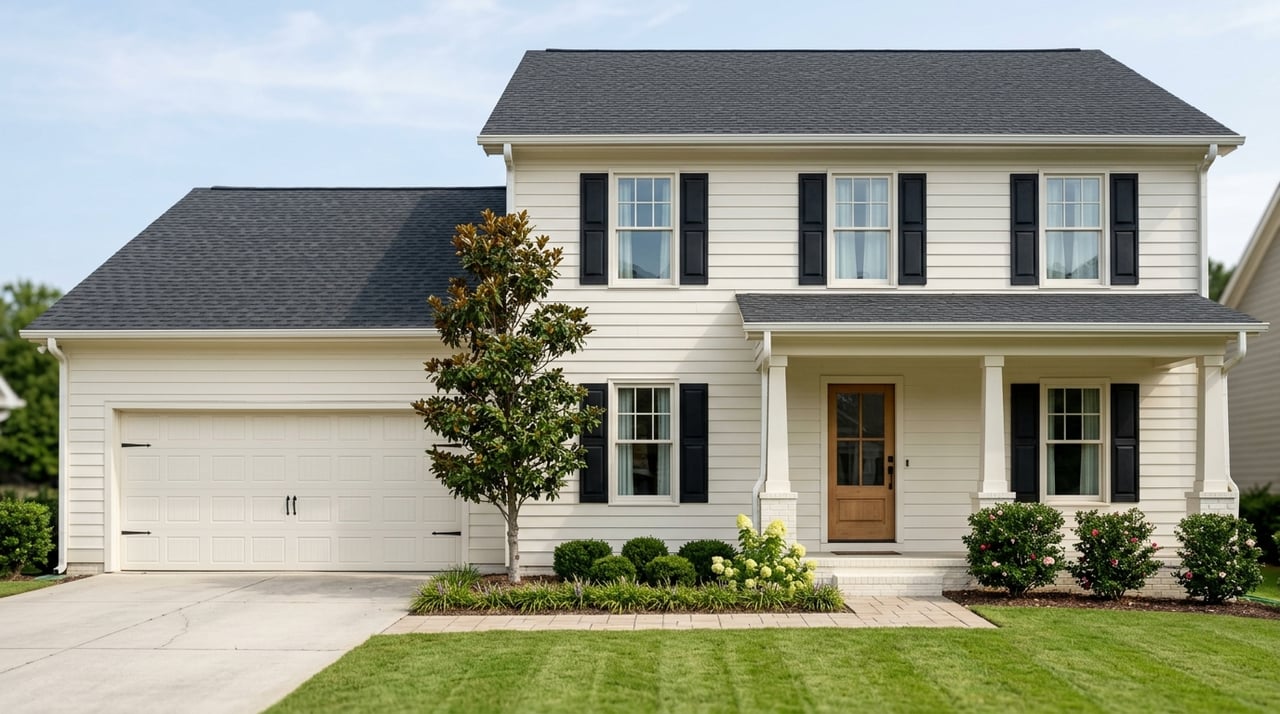
Are you thinking about buying a rental property in Kennesaw and wondering what actually makes one home easier to lease than another? That is a smart question, because this market is not driven by just one kind of renter. If you understand what local landlords tend to value, you can make a more confident investment decision and avoid costly surprises. Let’s dive in.
Kennesaw offers a mix that gets many investors' attention. It sits in northwest Cobb County about 25 miles from Atlanta, with access to major routes like I-75 and US-41. The city also points to a diversified economy tied to manufacturing, technology, healthcare, retail, and transportation.
That matters because rental demand here is not built on a single employer or one narrow tenant group. Kennesaw State University adds a major layer of demand, with fall 2025 enrollment reaching 51,375. At the same time, the city and Census data point to a growing suburban population with a strong owner-occupied base.
Census QuickFacts show Kennesaw had 37,740 residents, 13.6% population growth since 2020, a 64.6% owner-occupied housing rate, median household income of $83,356, and a mean commute time of 28.6 minutes. Put together, those numbers suggest a market with both stability and flexibility. For investors, that usually means looking beyond a simple “college town” label.
In Kennesaw, the strongest rental appeal often comes from homes that work for more than one type of renter. That can include students, graduate students, university staff, commuters using the I-75 and US-41 corridor, and households relocating within or into Cobb County. A property that feels practical to several of those groups can give you more leasing options.
That is why many landlords focus less on flashy upgrades and more on function. In this market, a home that is easy to live in, easy to maintain, and easy to access can be more attractive than one with expensive features that do not support daily life.
A practical layout can make a big difference in Kennesaw. Based on the local demand mix, 2- to 4-bedroom homes tend to fit a wider range of rental needs, especially when they include at least two bathrooms where possible. Those setups can work for roommates, small households, and renters who want an extra room for guests, work, or study.
Space for a desk, loft, or flex area is also useful. With university influence in the market and many commuters needing practical home setups, even a small bonus space can improve rentability. It gives renters options without requiring major renovations.
Dependable parking is another feature landlords often value. Kennesaw’s zoning materials specifically address parking standards, which is a clue that parking is not just a convenience issue. It can affect both day-to-day livability and what changes you may be allowed to make to a property.
Easy access to major roads also helps. Since Kennesaw serves both local and commuting renters, homes with straightforward access to I-75 or US-41 may appeal to a broader pool. Convenience does not guarantee rent, but it often supports stronger leasing interest.
Many investors prefer homes that reduce turnover and maintenance headaches. In practical terms, that usually means a functional floor plan, usable outdoor space, compliant improvements, and no obvious issues that could create code or upkeep problems.
Kennesaw’s Code Enforcement Division actively enforces housing and zoning standards. The city specifically flags issues like overgrown yards, illegal dumping, graffiti, illegal signs, and dilapidated housing, and it prohibits grass or vegetation over 12 inches as well as debris that creates a nuisance or fire hazard. For a landlord, that makes condition and ongoing upkeep part of the investment equation.
Before you buy, it helps to understand that Kennesaw rent data can look different depending on the source. That is because some platforms focus mostly on apartments, while others include a wider mix of homes and rental types. Looking at more than one benchmark can help you avoid overgeneralizing.
Apartments.com reported average apartment rent in Kennesaw at $1,477 in May 2026. It also listed one-bedroom units at $1,477, two-bedroom units at $1,738, and three-bedroom units at $2,113. Zillow’s broader market snapshot showed an average rent of $2,200 as of May 2, 2026, while Realtor.com reported a median rent around $1.8K with 645 available rentals.
The key takeaway is not to chase one headline number. Kennesaw is a mixed market, and the likely rent range for a property depends on its type, location, and layout. A single-family home and a smaller apartment should not be underwritten the same way.
Kennesaw is also sensitive to location within the city. Realtor.com showed a median rent of $1,748 in ZIP code 30144 and $2,147 in 30152. That is a meaningful gap, and it shows why investors should evaluate each property in its specific pocket rather than rely on one citywide average.
This is where local guidance can be especially helpful. A property may look strong on paper based on broad rent data, but neighborhood-level patterns can tell a different story. If you are comparing two homes with similar prices, ZIP-level rent context may help you spot the better long-term fit.
Kennesaw offers meaningful rent potential, but disciplined underwriting still matters. Zillow’s broad snapshot showed an average home value of $403,299 and average rent of $2,200, which works out to roughly a 6.5% gross annual rent-to-value ratio before financing and operating costs. That is a starting point, not a final answer.
Census data also provide useful context, showing a median gross rent of $1,845 and a median owner-occupied home value of $335,400. Those numbers support the idea that Kennesaw can work as a rental market, but they also reinforce the importance of buying at the right price and planning conservatively.
When you evaluate a potential investment, make room for more than principal and interest. Georgia DCA advises buyers to budget for property taxes, insurance, HOA dues, and maintenance. In Kennesaw, the tax office says annual city property tax bills are mailed October 1 and due December 1.
Those carrying costs can change the deal quickly. A property with solid rent potential may still underperform if taxes, dues, repairs, or vacancy assumptions are too aggressive. Strong investors usually give themselves some breathing room.
Georgia lease rules also matter when you think about future rent growth. The Georgia Landlord-Tenant Handbook says rent can only be increased during a lease if the lease allows it. For a tenancy-at-will, a rent change requires 60 days’ notice.
That does not mean Kennesaw is difficult for landlords. It simply means your lease structure and your purchase assumptions should line up. If your numbers only work with immediate rent increases, the margin may be too thin.
A promising rental property can become a frustrating investment if you overlook local rules. In Kennesaw, diligence should include zoning, permits, property condition standards, business licensing questions, and HOA review where applicable. These are not side issues. They can directly affect what you are allowed to do with the property.
Kennesaw’s Planning and Zoning Department handles land-use issues, and the city’s zoning guide points owners to rules covering setbacks, height standards, parking, accessory structures, fences, landscape buffers, and historic-district review. If you are thinking about adding a parking pad, building a fence, converting a garage, or placing a shed, check the rules before you underwrite those plans.
That step matters because an improvement that seems simple may affect rentability, cost, or compliance. If the value of the deal depends on changes you cannot actually make, the numbers can fall apart fast.
If you are considering a short-term rental strategy, Kennesaw treats that as its own compliance track. The city requires both a business license and a short-term rental certificate before operating. It also requires annual renewal, a visible certificate, a 24-hour local contact, and collection and remittance of an 8% hotel/motel excise tax.
The city’s short-term rental page also includes conflicting spacing language, referring to both 250-foot and 500-foot distance rules in different places. Because of that, investors should verify the current ordinance text directly before relying on any spacing standard. For leased homes, the city also states that short-term rental use is allowed only with written permission from the property owner.
If the property is in an HOA, review the governing documents early. The Georgia Attorney General advises homeowners to refer to their declaration of covenants, conditions, and restrictions because those documents set the HOA’s rules. For investors, that means checking leasing caps, approval procedures, dues, and any rental restrictions before closing.
This step is especially important if you are comparing attached homes, townhomes, or planned communities. An HOA can affect both your monthly costs and your ability to lease the home as intended.
In many cases, the strongest Kennesaw investment is not the most dramatic property. It is the one that matches real demand, offers practical livability, and leaves room for conservative numbers. A home with a useful layout, solid parking, manageable upkeep, and the right location can give you more options over time.
Kennesaw stands out because it blends university-driven demand, commuter convenience, and a stable suburban base. That combination can create opportunity, but it rewards careful buying more than guesswork. If you want help evaluating a property, comparing neighborhoods, or pressure-testing the numbers, Emily Kelly would love to help you make a smart move.
Browse active listings in the area or contact us for off-market listings.
Have an expert help you find out what your home is really worth.
Get assistance in determining current property value, crafting a competitive offer, writing and negotiating a contract, and much more. Contact me today.