
Home
About Emily
Properties
Home Valuation
Testimonials
Neighborhoods
Resources
Let's Connect
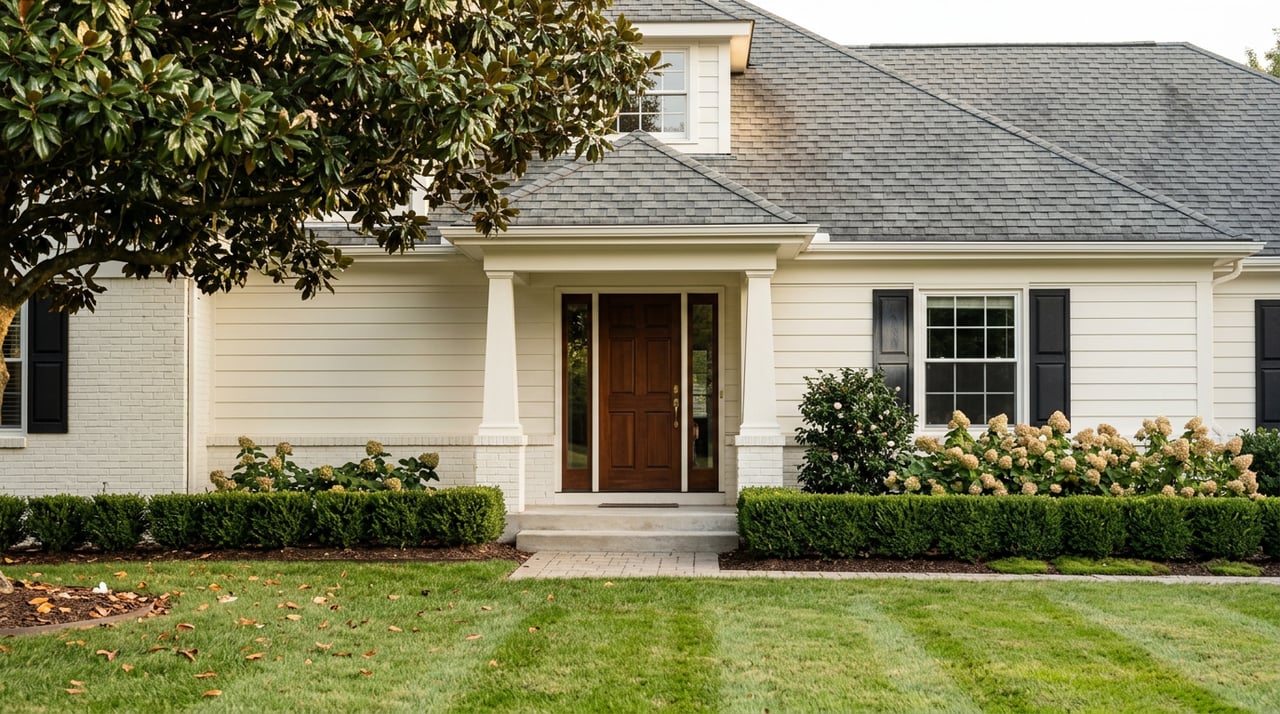
Two showings in Sandy Springs happened in the same week this spring, and the results could not have looked more different. A single-family home near Riverside drew a crowd its first weekend, went under contract in twelve days, and closed over its list price. A condo closer to the Perimeter sat with a price reduction for six weeks, drawing polite tours but no offers. Both properties carried the same city name on the listing. Neither result matches the single number that shows up when you search for Sandy Springs home prices.
That number, a citywide median of $700,000 for the three months ending April 2026, down 3.1% from the same window a year earlier, is real. It is also an average of two markets pulling in opposite directions, and I think buyers weighing Sandy Springs against Roswell, Marietta, or Dunwoody deserve to see both halves before they fall in love with a number that will not describe the house they actually tour.
Here is what the citywide figure is quietly blending together:
| Market Segment | Price (time window) | Year-over-year | Median Days on Market |
|---|---|---|---|
| Citywide, all property types | $700,000 (3 months ending April 2026) | down 3.1% | 41 days |
| Inside the Perimeter (Sandy Springs ITP) | $885,000 (3 months ending April 2026) | down 13.7% | 54 days |
| Single-family homes | $1,125,000 (April 2026 sold) | up 28.17% | 12 days |
| Condos | $250,000 (April 2026 sold) | down 9.91% | 46 days |
I know those columns come from slightly different windows, a rolling three-month figure next to a single sold month, but the pattern holds however you slice it. Single-family activity in April 2026 ran hot: sold listings up 87.5% year over year, homes closing at 99.3% of list price, a median of just twelve days on market. Year to date through April, the single-family median sold price reached $1,155,000, up nearly 36% from the same stretch of 2025. Condos told the opposite story: median sold price down close to 10% year over year, days on market cut nearly in half from a year earlier but still averaging 46 days, and a softer 96.8% list-to-sold ratio.
So when a portal tells you Sandy Springs prices are cooling, it is technically correct and functionally useless for a buyer deciding between a single-family home and a condo. One product type is appreciating quickly with almost no negotiating room. The other is genuinely a buyer's market. The citywide median just averages them into a number that describes neither.
This is not random noise. It traces back to a zoning posture Sandy Springs has held since its last full comprehensive plan in 2017: keep roughly three-quarters of the city's land inside protected residential neighborhoods, parks, and green space, and concentrate new development along a handful of commercial corridors and MARTA station areas instead.
You can watch that policy take physical shape right now next to City Springs, the city's $230 million civic and arts complex. High Street Residential, the multifamily arm of Trammell Crow Company, broke ground with development partner Third & Urban on Hillcrest, an 8.1-acre project on land the Sandy Springs United Methodist Church sold to fund its own long-term future in the community. When it delivers by the end of 2027, Hillcrest will add 362 apartments, 30 for-rent townhomes, and more than 19,000 square feet of retail terracing down from Mount Vernon Highway to Sandy Springs Circle. That is new supply landing in the node, exactly where the condo and attached-product numbers above are softening.
Meanwhile the protected side of the map is getting its own investment, just a different kind. The Sandy Springs Conservancy has been tracking construction on Old Riverside Park, a 23-acre forested property along the Chattahoochee River near the Riverside Swim and Tennis Club, with the city expecting the work to wrap before the end of this year. That is not new housing. It is a new amenity landing inside the low-density interior, the same part of the map where single-family homes near Riverside and Chastain-adjacent pockets are selling in twelve days over asking.
Same city, two different bets. Node-adjacent property is absorbing construction and new supply, which is softening prices in the short run while setting up more walkable retail once projects like Hillcrest open. Protected residential property is absorbing almost no new supply at all, which is exactly why it keeps tightening.
If that split feels like it might shift soon, I would not bet on it. Sandy Springs kicked off a rewrite of its comprehensive plan and parks master plan, branded "The Next Chapter," on June 23, 2026, at a public workshop inside the City Springs conference center. The process runs about a year, with drafting expected to begin in early 2027 and a state submission targeted for spring 2027.
The city has already held two rounds of public input. At a July 20 advisory committee meeting, protecting residential zoning and lot sizes ranked as a top community priority alongside walkability and tree canopy, a pattern consistent with the same priority residents set a decade ago in the 2017 plan. Officials also floated a potential parks bond, estimated to cost the average homeowner about $200 a year in added property tax, and early feedback ran strongly in favor: only 13% of respondents at the first public meeting said they would oppose it. Two more community sessions followed in August, one at the Church of the Redeemer in the High Point neighborhood and one at the Sandy Springs Municipal Complex.
None of this locks anything into state law. A comprehensive plan guides land use and rezoning decisions rather than mandating them. But a city that just spent a summer collecting input confirming residents want their neighborhoods protected is not likely to reverse a growth pattern it has followed since 2017. If anything, "The Next Chapter" reads like the plan formalizing what the market is already pricing in.
One more piece of near-term friction worth flagging if you are shopping the node side of the map: the Georgia Department of Transportation's widening project on GA-400, run with Peach State Partners, began in spring 2026 and is expected to add traffic disruption in the corridor before it adds capacity. That is the kind of short-term cost that comes with buying into the intensification side of the split.
A few questions I ask myself before I show a Sandy Springs listing to a client comparing it against other northwest Atlanta suburbs:
Which side of the map is this on? A five-minute walk to City Springs or a MARTA station means the home is competing against new construction. A quiet street off Riverside or in an established subdivision means it is competing against almost nothing new.
Is it attached or detached? Right now those two product types are pricing in opposite directions in this city. A condo buyer has real negotiating room. A single-family buyer needs financing ready to move in under two weeks.
What is actually finishing near it, and when? Hillcrest by late 2027, Old Riverside Park by the end of this year. Knowing which amenity lands first tells you what your five-year hold actually buys.
Does the protected designation matter to your plans? If you are buying to hold, the comp plan's emphasis on preserving residential character is worth understanding before you assume a corridor will change.
Is Sandy Springs a buyer's market or a seller's market right now? Both, depending on what you are buying. Condos and other attached product currently favor buyers, with softer pricing and more room to negotiate. Single-family homes are firmly a seller's market, with most closing near or above asking in under two weeks.
Should I wait for the comprehensive plan to finalize before making an offer? I would not build a purchase timeline around a planning process that will not submit to the state until spring 2027 at the earliest. The plan is likely to reinforce the current pattern rather than change it, so waiting mostly costs you the chance to buy before that reinforcement becomes official.
Sandy Springs is not one market cooling in place. It is two markets, priced and paced differently, sitting inside the same zip code because the city decided years ago where growth would go and where it would not. If you are comparing this suburb against others in the metro, the median price will not tell you which half of Sandy Springs you are actually looking at. I can walk that map with you, corridor by corridor, and help you figure out which side fits what you are trying to do.
I'm Emily, and if you would like to talk through what your budget actually buys on either side of that line, Homes by Emily Kelly is ready when you are. Let's Connect.
This article is general information, not legal, tax or financial advice. Consult a qualified professional about your situation.
Browse active listings in the area or contact us for off-market listings.
Have an expert help you find out what your home is really worth.
Get assistance in determining current property value, crafting a competitive offer, writing and negotiating a contract, and much more. Contact me today.